Discover the best physiotherapy treatments for osteoarthritis in 2026! Learn how to reduce joint pain, improve mobility, and prevent surgery with expert-recommended exercises and therapies. Read now!
March 26, 2025 | by info@kayaphysiotherapy.uk
Best Physiotherapy Treatments for Osteoarthritis in 2026: Evidence-Based Ways to Reduce Pain, Improve Mobility and Delay Surgery
Osteoarthritis (OA) is the most common form of arthritis in the UK, affecting millions of people every year. Although many people believe joint pain is simply a normal part of ageing, persistent pain, stiffness and reduced mobility should never be ignored.
The good news is that surgery is not always the first or only option.
In 2025, physiotherapy remains one of the most effective evidence-based treatments for managing osteoarthritis. Research consistently shows that exercise therapy, strength training and personalised rehabilitation programmes can significantly reduce pain, improve function and help people stay active for longer.
In this guide, we’ll explain the best physiotherapy treatments for osteoarthritis and how they can help you regain confidence in movement.
What is Osteoarthritis ?
Osteoarthritis is a degenerative joint condition that causes the protective cartilage within joints to gradually wear down over time.
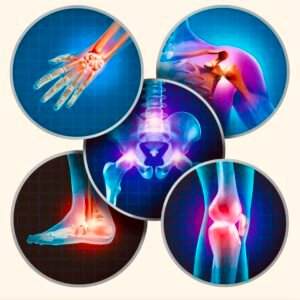
It commonly affects:
Knees
Hips
Hands
Spine
Feet
Shoulders
Common symptoms include:
Joint pain during movement
Morning stiffness lasting less than 30 minutes
Reduced flexibility
Swelling around the joint
Clicking or grinding sensations
Difficulty walking, climbing stairs or exercising
While age is a risk factor, osteoarthritis can also affect younger adults due to previous injuries, obesity, repetitive strain or genetic factors.
Why Physiotherapy is the Gold Standard for Osteoarthritis Treatment in 2026
The latest clinical guidelines from organisations such as the UK’s National Institute for Health and Care Excellence (NICE) continue to recommend exercise and education as first-line treatments for osteoarthritis.
Physiotherapy focuses on improving how your body moves rather than simply masking symptoms.
A physiotherapist will assess:
Joint mobility
Muscle strength
Balance and stability
Walking patterns (gait)
Posture
Daily activity limitations
Treatment is then tailored to your individual needs.
Benefits include:
✓ Reduced pain
✓ Improved mobility
✓ Increased muscle strength
✓ Better balance
✓ Improved confidence in movement
✓ Reduced reliance on pain medication
✓ Potential delay or prevention of surgery
1. Strength Training Exercises
One of the most effective physiotherapy treatments for osteoarthritis is progressive strength training.
Strong muscles help absorb force and reduce stress placed on painful joints.
Evidence suggests strengthening exercises can significantly improve physical function, particularly for knee and hip osteoarthritis.
Common exercises include:
For Knee Osteoarthritis
Sit-to-stand exercises
Step-ups
Mini squats
Leg extensions
Hamstring strengthening
For Hip Osteoarthritis
Glute bridges
Clamshell exercises
Side leg raises
Hip abduction exercises
Physiotherapists gradually increase intensity to avoid flare-ups.
2. Aerobic Exercise to Reduce Joint Pain
Many people avoid movement because they fear making arthritis worse.
However, staying inactive can actually increase pain and stiffness.
Low-impact aerobic exercise helps:
Improve circulation
Reduce inflammation
Support weight management
Improve cardiovascular health
Increase energy levels
Recommended activities include:
Walking
Cycling
Swimming
Water aerobics
Cross-trainer exercises
Aim for at least 150 minutes of moderate activity per week, adjusted to your abilities.
3. Manual Therapy
Manual therapy can be used alongside exercise programmes.
Your physiotherapist may use hands-on techniques to improve:
Joint movement
Muscle flexibility
Soft tissue mobility
Pain levels
Examples include:
Joint mobilisation
Soft tissue massage
Stretching techniques
Manual therapy works best when combined with an active rehabilitation programme rather than as a standalone treatment.
4. Balance and Stability Training
People with osteoarthritis often experience reduced balance, particularly when the knees or hips are affected.
Balance training can help reduce the risk of falls.
Exercises may include:
Single-leg stands
Heel-to-toe walking
Stability exercises
Functional movement drills
Improving balance also increases confidence during daily activities.
5. Education and Self-Management Strategies
Understanding your condition is a key part of successful treatment.
A physiotherapist will teach you:
Joint protection strategies
Avoid prolonged sitting
Pace activities throughout the day
Alternate between activity and rest
Weight management advice
Even a small reduction in body weight can significantly reduce pressure on weight-bearing joints.
Flare-up management
Learn how to manage periods of increased symptoms without completely stopping movement.
Can Physiotherapy Help You Avoid Surgery?
In many cases, YES
Physiotherapy cannot reverse cartilage loss, but it can significantly improve how your joints function.
Many people can delay or avoid surgery by following a structured rehabilitation programme.
Surgery may only become necessary if:
Pain severely affects daily life
Conservative treatment has failed
Joint damage is advanced
Even if surgery is eventually required, stronger muscles beforehand often improve recovery outcomes afterwards.
When Should You See a Physiotherapist for Osteoarthritis?
Seek professional advice if:
Joint pain lasts longer than six weeks
Walking becomes difficult
Morning stiffness is worsening
You are avoiding activities you previously enjoyed
Pain interrupts sleep
Over-the-counter pain relief is no longer effective
Early intervention often leads to better long-term outcomes.
Final Thoughts
Living with osteoarthritis does not mean giving up the activities you enjoy.
The evidence is clear: movement is medicine.
A personalised physiotherapy programme can help reduce pain, improve mobility and support long-term joint health without immediately resorting to surgery.
If you are experiencing ongoing joint pain, early assessment by a physiotherapist can make a significant difference to your recovery and quality of life.
References
National Institute for Health and Care Excellence (NICE): Osteoarthritis in over 16s: diagnosis and management
NHS UK: Osteoarthritis
Osteoarthritis Research Society International (OARSI)